

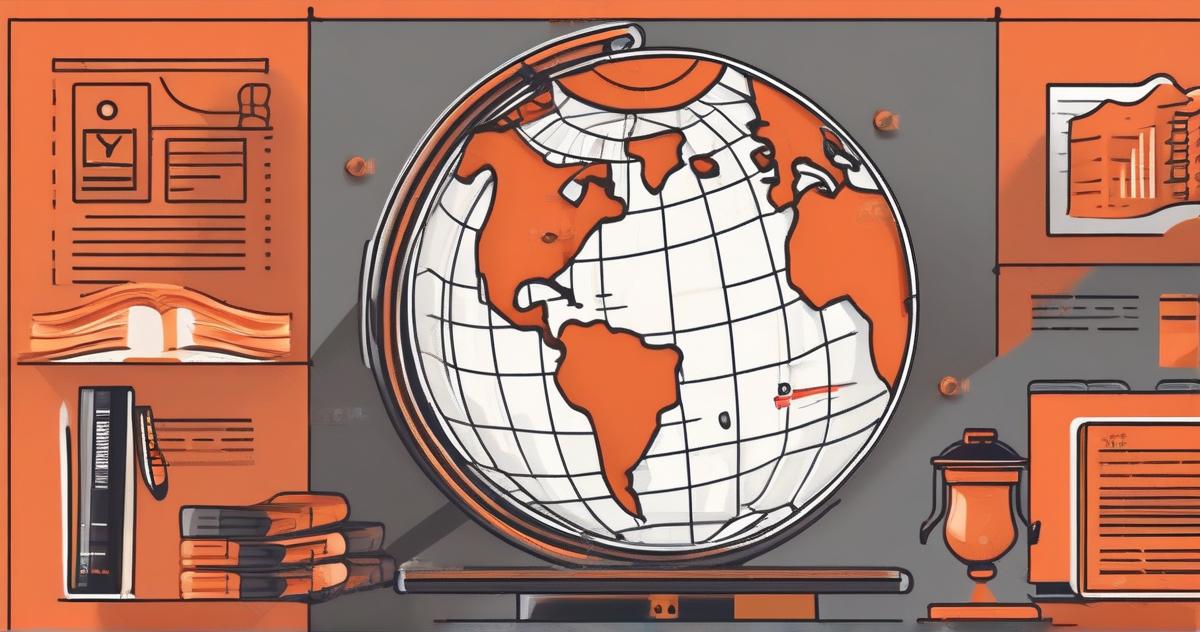
World Superpowers and The Scary Crypto Regulation Quest
What is a superpower country if it did not have everything under its control? With cryptocurrency gaining more traction, many countries are slowly tip-toeing to regulate the industry. However, the heavy crash of the UST and LUNA has raised some concerns among governments. As the Terra ecosystem has wiped out 45 million dollars, an international collective alarm calls to fasten the regulation of the crypto space. Here what the big players have in store for crypto regulations :
The European Union
**The Markets in Crypto-Assets bill (MiCA) is a comprehensive regulation framework for crypto assets. It intends to build a superhighway for crypto businesses. As a result, they can obtain a single license to conduct transactions across the EU. **
** MiCA defines crypto assets as digital representations of value or rights. This crypto regulation framework divides crypto assets into three subcategories: ****The first is asset-referenced tokens, which maintain a stable value by referring to the value of several fiat currencies that are legal tender, commodities, or crypto assets. ****The second is the e-money token, a stable coin pegged to the value of a fiat currency, for example, the dollar-backed USDC. **The third is the utility token that allows digital access to a good or service available on the blockchain.
**In the last negotiations, the EU has voted out a proposal that bans mining and transactions of cryptocurrencies such as Bitcoin. **
The United States
The US is yet to set a comprehensive federal crypto regulation. In March 2022, President Biden signed an executive order to ensure the proper development of digital assets. He wants to maintain the US competitiveness in the crypto space while examining the risks and benefits. In addition, he is even embracing the establishment of a national central bank digital currency. Federal agencies shall take a uniform strategy for digital asset regulation, but debate continues over which regulator should oversee digital assets. ** **
The US continues to be a leader in regulating and embracing the cryptocurrency industry. However, the Stablecoin TRUST Act may put up obstacles for new investor
China
**China was once the hub of crypto as it has reached a peak of nearly 65% of bitcoin mining. With easy access to cheap energy and hardware, China became the mecca of bitcoin in the initial phase of adoption. However, the honeymoon was over in 2013 when the People’s Bank of China (PBOC) banned cryptocurrencies. The PBOC has also declared crypto exchanges and ICOs illegal in 2017. Ever since, China has went back and forth. Despite banning blockchain and crypto projects, the PBOC launched its own cryptocurrency, the digital yuan. **
Was it their plan from the beginning? To Ban crypto-related activities then designate state-backed firms to administer blockchain technology.
Following the UST and LUNA crash, China is rushing to introduce regulatory measures to minimize the risk of stablecoins and protect investors.
Russia
**As the west tightened their sanctions on Russia, everyone considered blockchain technology to be a lifeline for Russian economy. Indeed, using cryptocurrency can help evading sanctions. However, some issues such as technological practices, market structures, and limited liquidity have hurdled Russia's attempt. **
Previously, Russia prohibited digital currencies. Russian banks and exchanges can work as exchange operators for digital financial assets, provided that they register themselves in the Bank of Russia . ** **
**But all well ends well: The Central Bank of Russia is developing its currency, the Digital Ruble, while The Ministry of Finance is pushing a bill of regulation of digital currencies. Furthermore, the government is seriously considering to adopt cryptocurrencies as a method of international payment. **
The United Kingdom
The UK, with approximately $3 trillion in currency transactions per day, has decided to position itself as the premier destination for crypto companies that are looking to establish themselves.
Last month, Prime Minister Boris Johnson announced that his government would amend regulations to make stable coins a legal form of payment. He added that he wished that the UK would become Europe's financial center by introducing new technologies and investments in the crypto industry.
Subsequently, The United Kingdom had proposed two new pieces of legislation, the Financial Services and Markets Bill and the Economic Crime and Corporate Transparency Bill, to regulate the digital assets market and limit the illegal use of virtual money.
Crypto regulation is a very contentious subject: some gladly embrace it, and others categorically reject it. On the one hand, pro-crypto regulators believe in the stability that regulations can bring to the volatile market. On the other hand, anti-crypto regulators see it as a threat to the foundation of crypto, decentralization. Only time will tell which party got it right...
![How to buy an NFT? [The decentralised way]](/images/posts/how-to-buy-an-nft-the-decentralised-way.webp)
Comments