

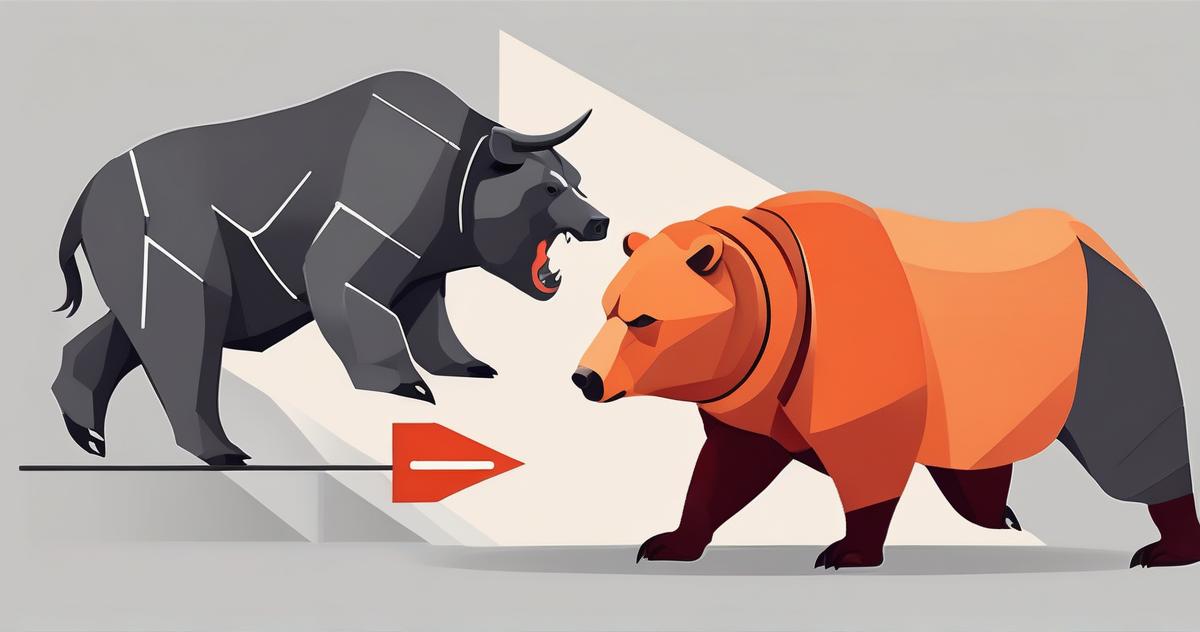
What (Really) Goes In Bull Market And Bear Market
Market trends are typically described as bullish or bearish. During a substantial and/or sustained period of growth, markets are referred to as bull. And when they undergo a period of substantial and/or sustained decline, they are called bear.
In cryptocurrency, real estate, stocks, and any other asset investment mediums, the market trend will always be described in two ways: either a bull or a bear market. It is true that markets are constantly prone to fluctuate and to experience very rapid or sudden volatility whether it’s for the best or for the worst. This is why we use the terms bear and bull markets when one of these two happenings occur:
- Considerably long periods of mostly upward or downward movement. So, the flow of whether the market is rising or falling must be consistent for a noticeable amount of time.

- Substantial upward or downward swings that get to 20% at least –which is the widely accepted figure.
Some culture for the curious mind
Some people believe that these terms were used purposefully because of how these animals attack. A bull thrusts its horns upward (signaling the rise), while a bear swipes downwards with its claws (signaling a fall). And yet, that’s not exactly how these animals became popular and mainstream terms in the investment jargon.
Etymologists estimate that the bear came from an old proverb stating and warning that it wouldn’t be wise to “sell the bear’s skin before one has caught the bear”. The term bear acquired a negative connotation indicating a fear to invest or to make any kind of trade since its results won’t be as desired. And then, the bull came to be the bear’s perfect alter ego. Alexander Pope, a poet, even wrote in 1720 an extract about this topic saying:
Come fill the South Sea goblet full;
The gods shall of our stock take care:
Europa pleased accepts the Bull,
And Jove with joy puts off the Bear –Alexander Pop
Let’s start with the bull market
A bull market is a period of time where investors are flocking to buy stock and to invest, which means that the demand is outweighing the supply. In this case, market confidence is high and the prices are rising as a consequence. And so, the investors who believe that the prices will increase with time are bulls. And therefore if you spot prices increasing it means that the investors are becoming more optimistic or “bullish” about what’s about to happen next in that market. They expect that prices will keep rising and this is the sign of a rising bull market. This positive attitude attracts more investments into the market.
In the crypto world, a bull market is more known as a “bull run”. And remember that public confidence is what primarily influence the price of any cryptocurrency. Some investors therefore use this strategy to grow investors’ optimism and trust in a targeted market.
Logically, bull markets don’t last forever. Every rise will meet its downfall. At a certain point, investor confidence can, and will start to decline. Many factors can trigger this decline in enthusiasm and confidence, including disliked legislations and circumstances like the occurrence of the Covid-19 pandemic.
This phenomenon can begin a bear market. Investors adopt a different attitude where they start to believe that prices will keep doing down.
And here comes the bear market
Here, supply is obviously higher than demand. Prices keep falling and investor’s confidence is low. These pessimistic investors are “bears” as they believe that there will be a constant fall in prices into the future. These factors make a bear market very hard to trade in especially for new traders.
What makes investors stuck in a bear market’s vicious cycle is because they can make any accurate or clear predictions about when it might end. And rebounding from this fall is an unpredictable and slow work in progress. Many factors can influence the situation such as investor psychology, world events and circumstances, economic growth, social and political reforms, etc.…
Despite all of these context factors that seem negative, a bear market can also present hidden opportunities. If you’re looking to make a long-term investment, buying during a break market can show great results once the market trend shifts. In the crypto world, many investors invest a specific amount of money weekly whether the asset is rising or falling (Commonly called Dollar Cost Averaging). This helps them distribute the risks and allows them to invest through any kind of market.

Comments